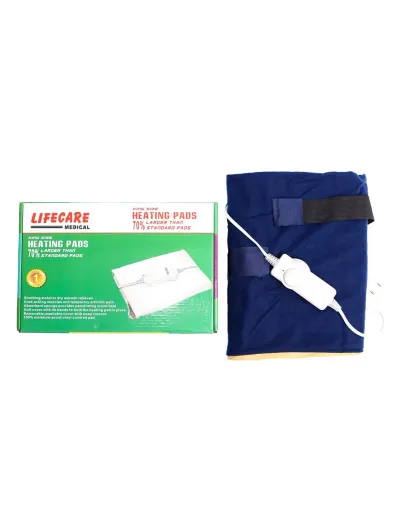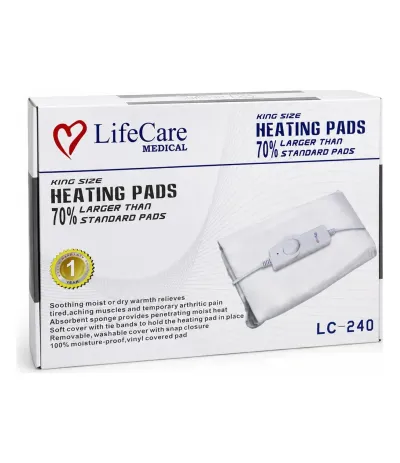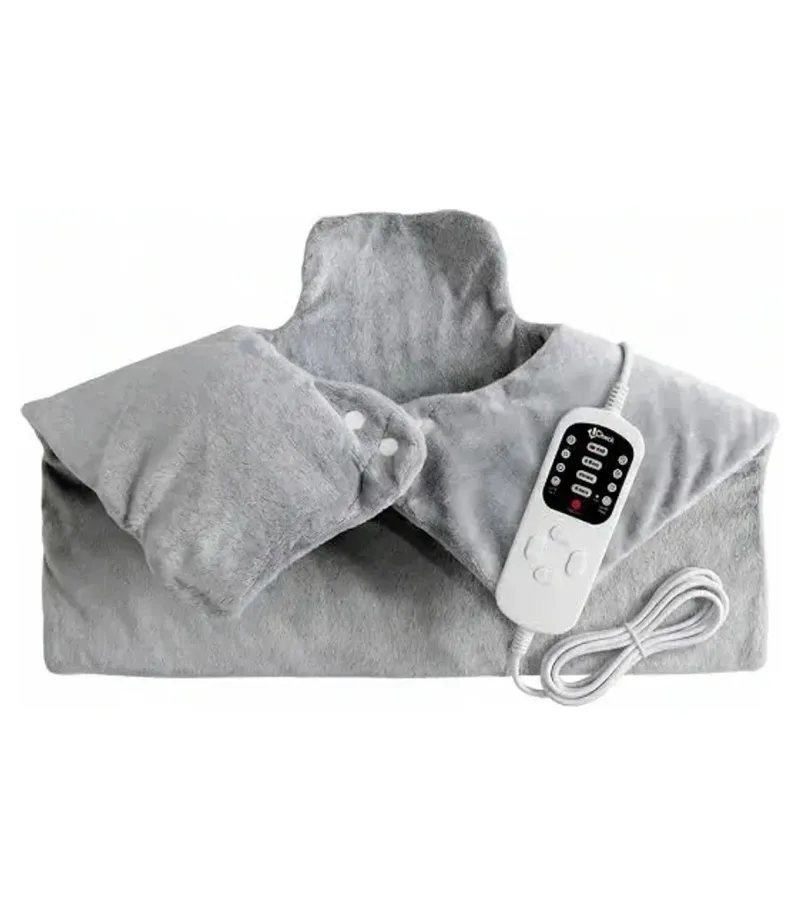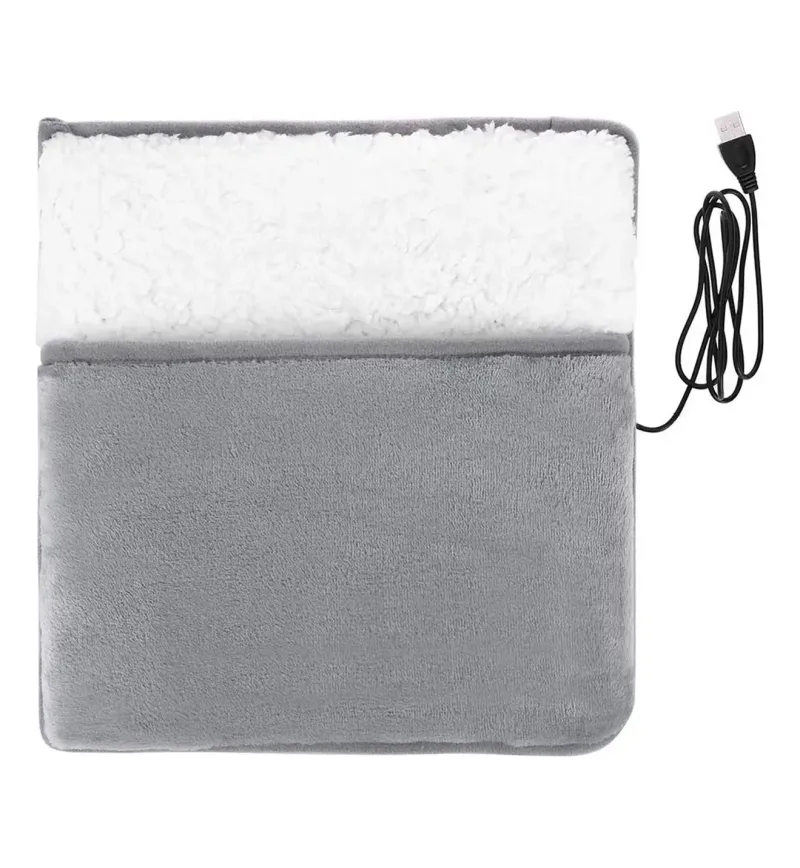
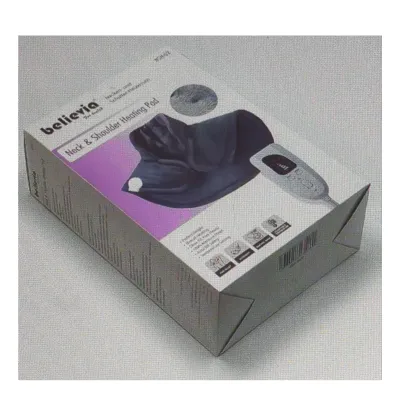
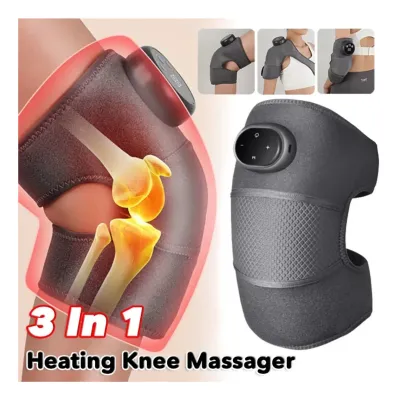
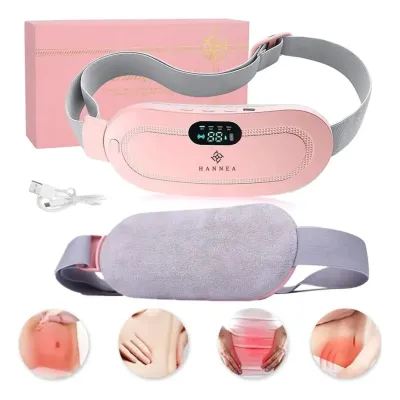
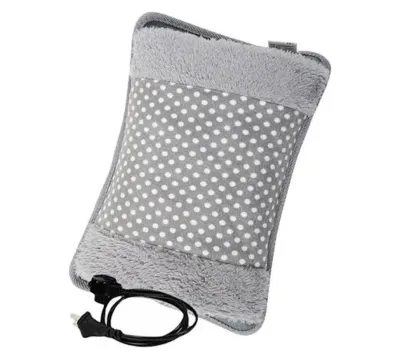
In this guide 4 sections
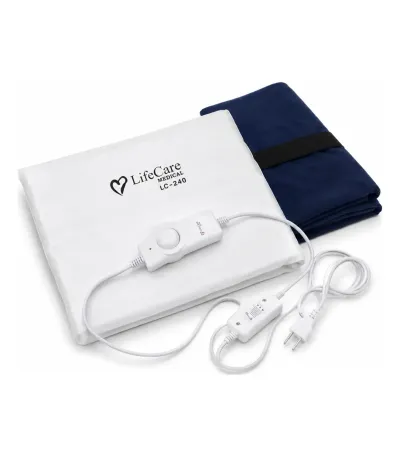
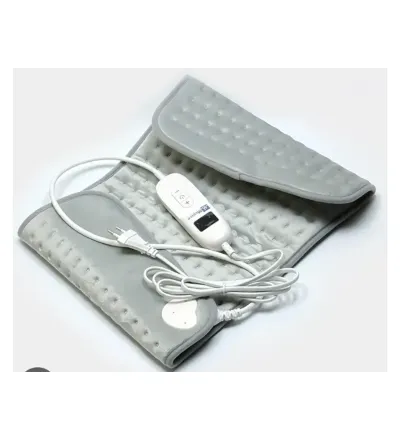
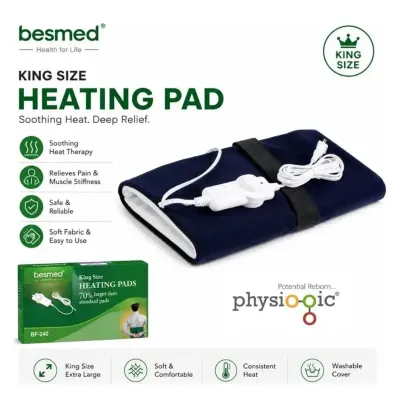
A heating pad is simple to use — but most burns from heating pads happen because people use them too long, too hot, or while asleep. Follow these steps and you will get the comfort without the risk.
Step by step
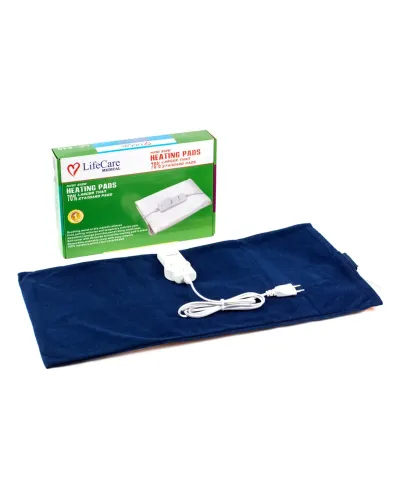
- Check it first. Look for cracked wires, scorch marks or a damaged plug. Do not use a damaged pad.
- Keep the cover on. Never put the bare pad on your skin.
- Place it on top of you. Sit or lie with the pad on the area — never lie or sit on top of the pad, which traps heat.
- Start on the lowest setting. Raise it only if you need to.
- 15–20 minutes. Then switch off and give your skin a break.
- Check your skin. Some redness that fades is normal; blisters or redness that stays are not.
- Unplug after use. Roll it loosely — never fold it sharply.
The rules that matter most
- Never sleep with an electric heating pad on. Even with auto shut-off, use it awake.
- No pins, no folding, no wet pad unless the pad is made for moist heat.
- Do not use it with creams or balms that warm the skin — they can increase the risk of burns.
- Extra care for children, elderly users, people with diabetes or poor feeling in the skin.
- Do not use heat on a fresh injury with swelling, or on the belly during pregnancy unless your doctor agrees.
Electric pad, heat pouch or hot water bag?
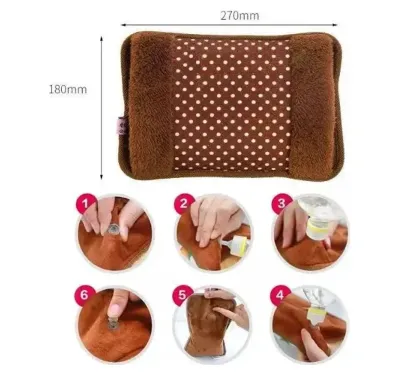
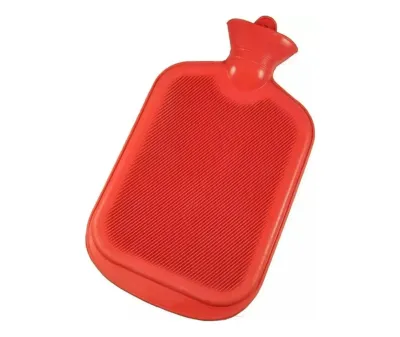
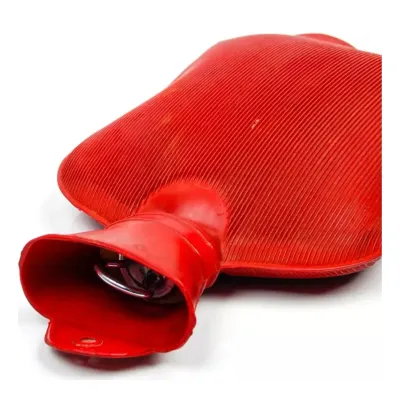
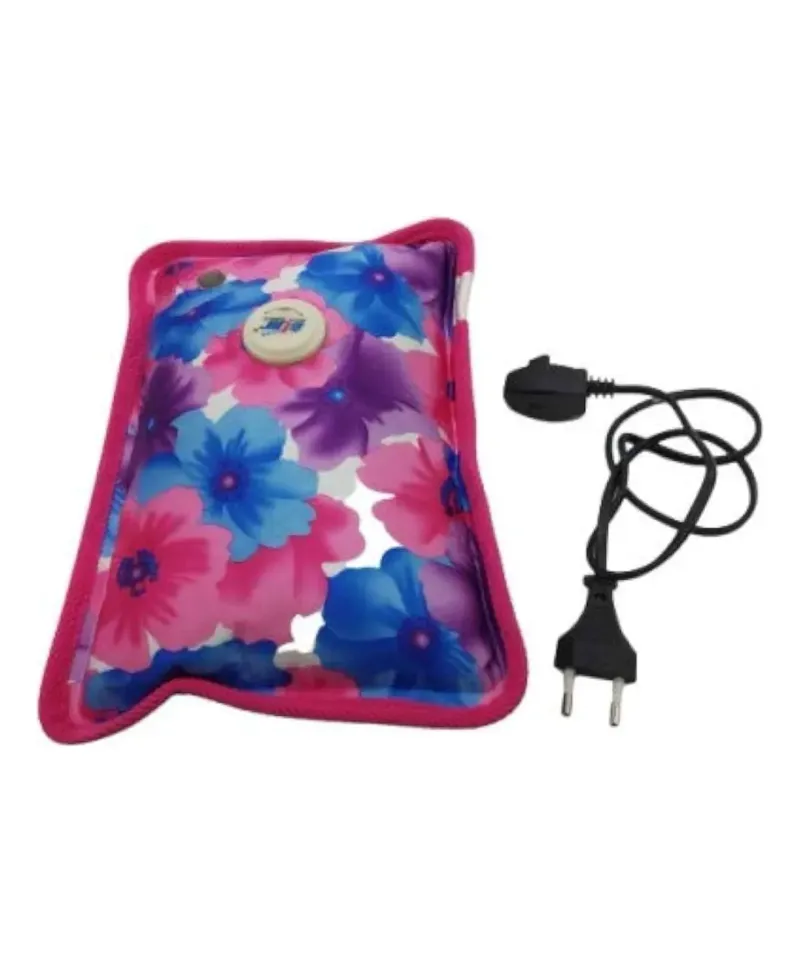
The rules are similar. For an electric heat pouch, always unplug it before use. For a rubber hot water bag, use hot tap water — never boiling.
When to see a doctor instead
- Pain after a fall, accident or sports injury.
- Swelling, redness or a joint that feels hot.
- Numbness, tingling or weakness in the arms or legs.
- Fever, unexplained weight loss, or pain that wakes you at night.
- Pain that is very strong, new, or not easing after a few days.
Not sure which one to buy?Tell us what you need on WhatsApp — a real person replies and suggests the right product.
Ask on WhatsApp